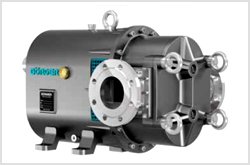
Rotary Lobe Pumps: Precision, Efficiency, and Reliability
How Rotary Lobe Pumps Work
Rotary Lobe Pumps operate using two or more lobes rotating in opposite directions within a casing. As the lobes rotate, they create expanding cavities on the suction side, drawing in the fluid. The fluid is then transported between the lobes and the casing before being expelled on the discharge side. This mechanism ensures smooth, pulsation-free fluid transfer, reducing shear and preventing damage to delicate products.
Key Features & Benefits
Hygienic Design – Ideal for sanitary applications with FDA and EHEDG compliance.
Low Shear Handling – Suitable for sensitive fluids like creams, sauces, and emulsions.
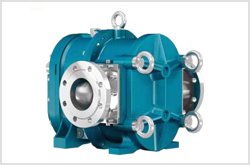
Reversible Flow – Enhances operational flexibility.
Self-Priming Capability – Can handle liquids with entrained air and gases.
Robust and Durable – Made from high-quality materials for long service life.
Easy Maintenance – Quick disassembly for cleaning and servicing.
Applications
Rotary Lobe Pumps are widely used across multiple industries:
Food & Beverage: Dairy products, fruit pulp, chocolate, syrups, and juices.
Pharmaceuticals: Ointments, gels, and vaccine solutions.
Chemical Processing: Acids, resins, and polymer solutions.
Wastewater Treatment: Sludge transfer, dewatering, and dosing applications.
Why Choose Our Rotary Lobe Pumps?
Customizable Solutions – Tailored to meet specific industry requirements.
Energy Efficient – Reduced power consumption without compromising performance.
Expert Support – Dedicated technical assistance and after-sales service.